
Understanding Brushless Impact Wrenches: Advantages and Applications
Mar 12,2026
One of the primary benefits of brushless impact wrenches is their increased efficiency. The absence of brushes reduces friction, which means that these tools can operate for longer periods without overheating. This efficiency translates into longer run times and fewer interruptions, making them ideal for heavy-duty applications in manufacturing settings. Additionally, the electronic control system allows for precise speed and torque adjustments, enabling users to achieve optimal results for various tasks.
Another significant advantage is the reduced maintenance required for brushless impact wrenches. Traditional brushed motors tend to wear out over time, necessitating replacement or repair of components. In contrast, brushless designs have fewer moving parts and, therefore, a longer lifespan. This durability is particularly beneficial in industrial environments where tools are subjected to rigorous use. Consequently, users can focus on their tasks without the constant worry of tool failure or the need for frequent maintenance.
In terms of performance, brushless impact wrenches provide superior torque output compared to their brushed counterparts. This enhanced torque makes them especially useful for fastening and loosening bolts and nuts in a wide range of applications, from automotive repair to construction and assembly lines. The ability to deliver high torque quickly allows professionals to complete tasks more efficiently, thereby increasing productivity.
Furthermore, many brushless impact wrenches are designed to be lightweight and ergonomically balanced. This feature is essential for reducing user fatigue, particularly during prolonged use. A comfortable grip and manageable weight can significantly enhance the overall user experience, making these tools more desirable for both casual users and professionals alike.
When selecting a brushless impact wrench, it’s important to consider the specific requirements of your applications. Factors such as torque specifications, battery life, and additional features like variable speed settings can impact the overall effectiveness of the tool in meeting your needs.
In conclusion, brushless impact wrenches represent a significant advancement in electric tool technology, offering enhanced efficiency, reduced maintenance, and improved performance. They are an invaluable asset for professionals in the manufacturing and processing machinery sectors, providing reliability and power for a variety of applications. By understanding the benefits and functionalities of these tools, users can make informed decisions that optimize their workflow and productivity.
Latest Blogs
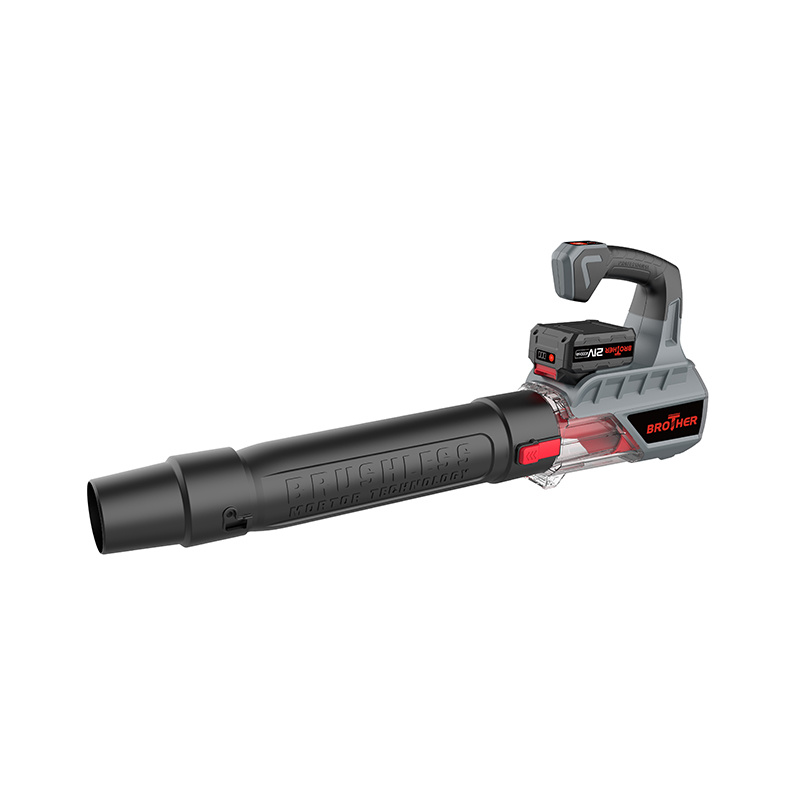
The Environmental Benefits of Using Brushless Lithium Blowers
The Environmental Benefits of Using Brushless Lithium Blowers Introduction to Brushless Lithium Blowers As the world shifts towards more sustainable practices, the gardening and landscaping industries are embracing innovative technologies that reduce environmental impact. One such advancement is the brushless lithium blower. This powerful tool not only enhances outdoor maintenance efficiency but a
07 Aug,2026
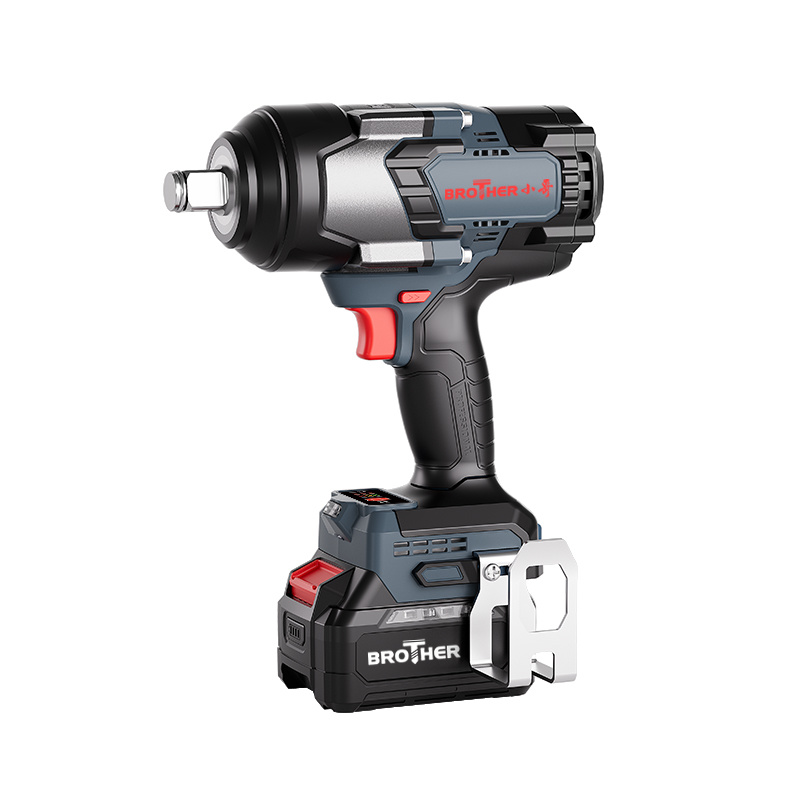
Unlocking Power and Precision: The Advantages of Brushless Impact Wrenches
Brushless impact wrenches represent a significant advancement in the electric tool industry, particularly within the realm of manufacturing and mechanical processing. These tools utilize a brushless motor, which offers several advantages over traditional brushed motors. First and foremost, the elimination of brushes reduces friction and wear, translating to increased efficiency and longer service
04 Aug,2026
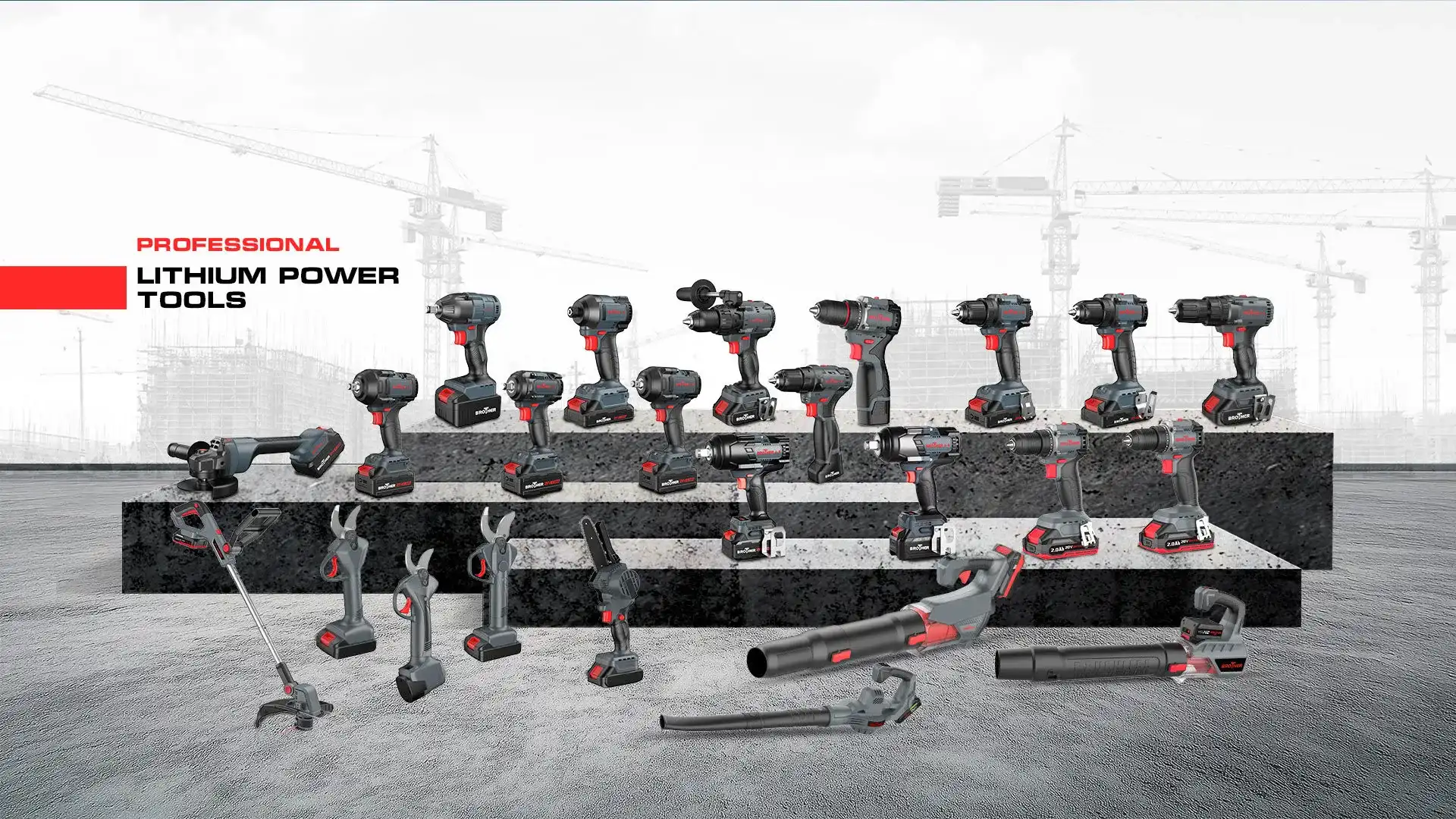
Exploring the Versatility of Brushless Lithium Impact Wrenches Across Diverse Industries
Exploring the Versatility of Brushless Lithium Impact Wrenches Across Diverse Industries Table of Contents 1. Introduction to Brushless Lithium Impact Wrenches 2. Understanding Brushless Technology 3. Key Benefits of Brushless Lithium Impact Wrenches 4. Applications in the Automotive Industry 5. Applications in the Construction Sector 6. Versatility in Manufacturing and Assembly Lines 7. Impact on
01 Aug,2026